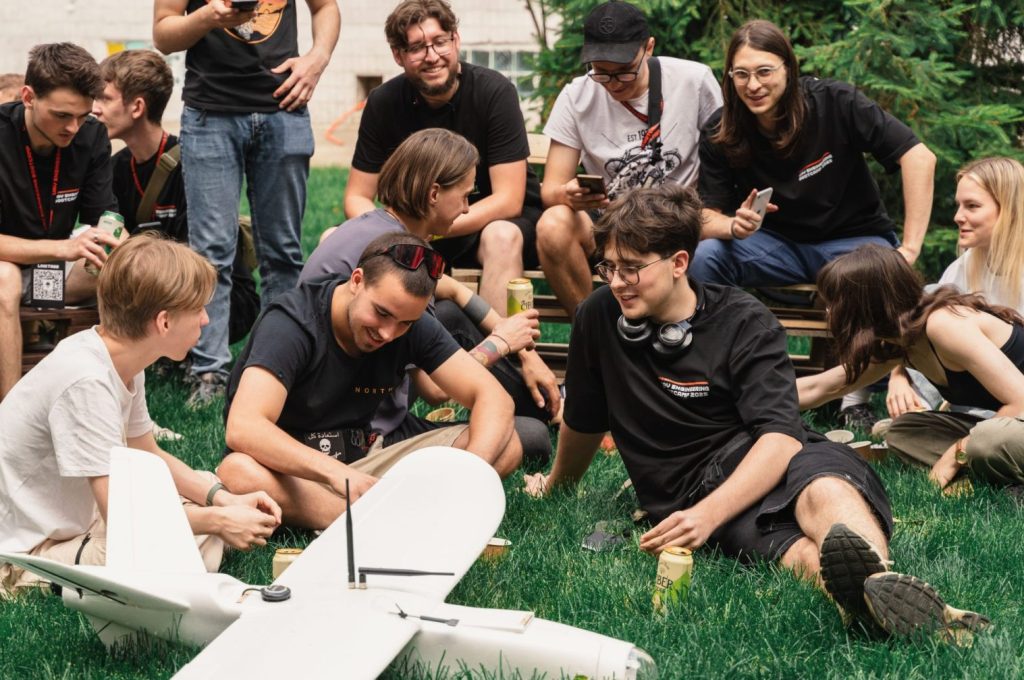
LEARNING APPROACH
We stand for challenge-based learning.
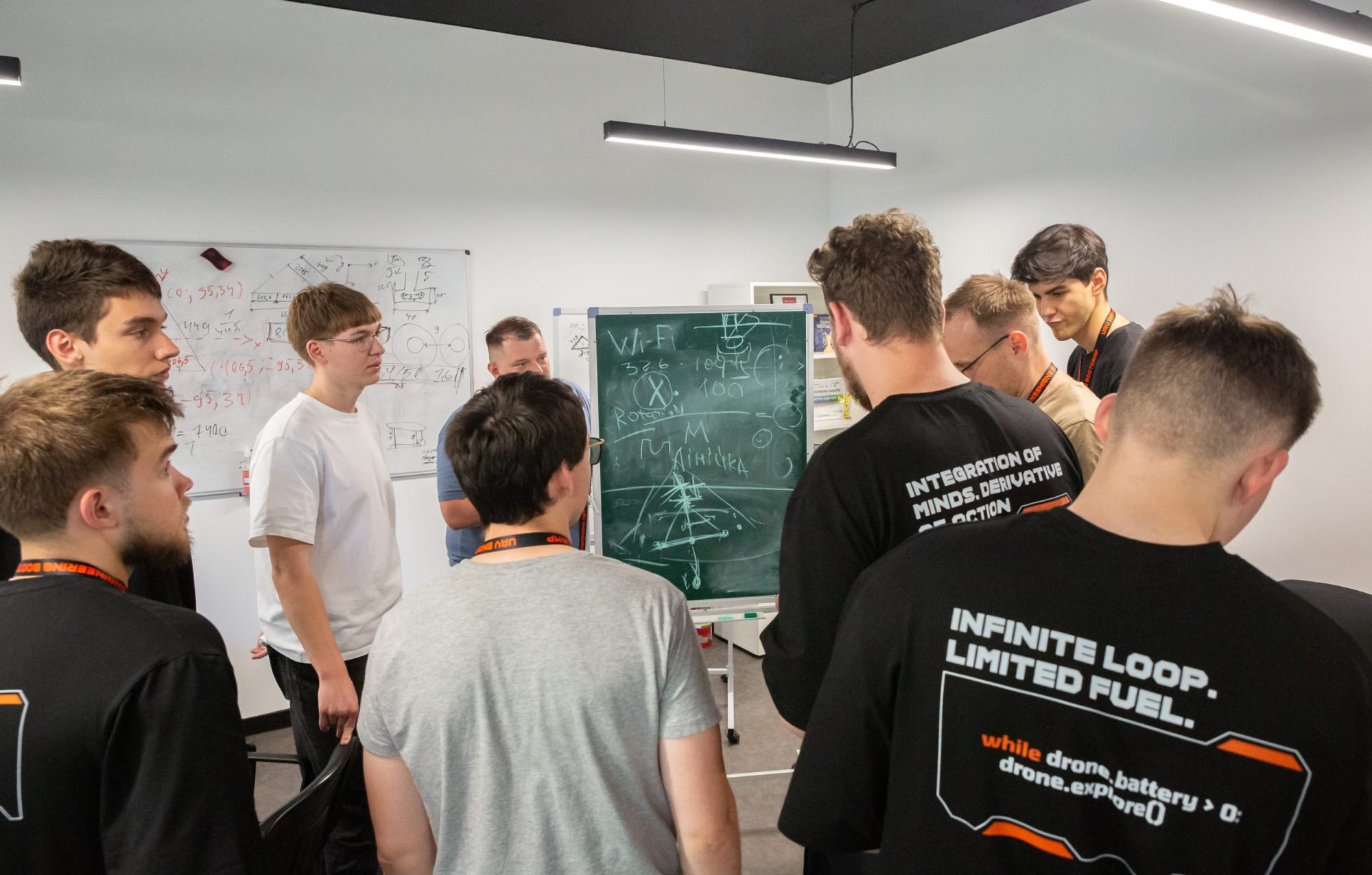
Every day is structured around handy tasks.
You don’t sit through long lectures; instead, you tackle real-world problems. By solving them, you come up with the theoretical knowledge, which is concise and immediately applicable.
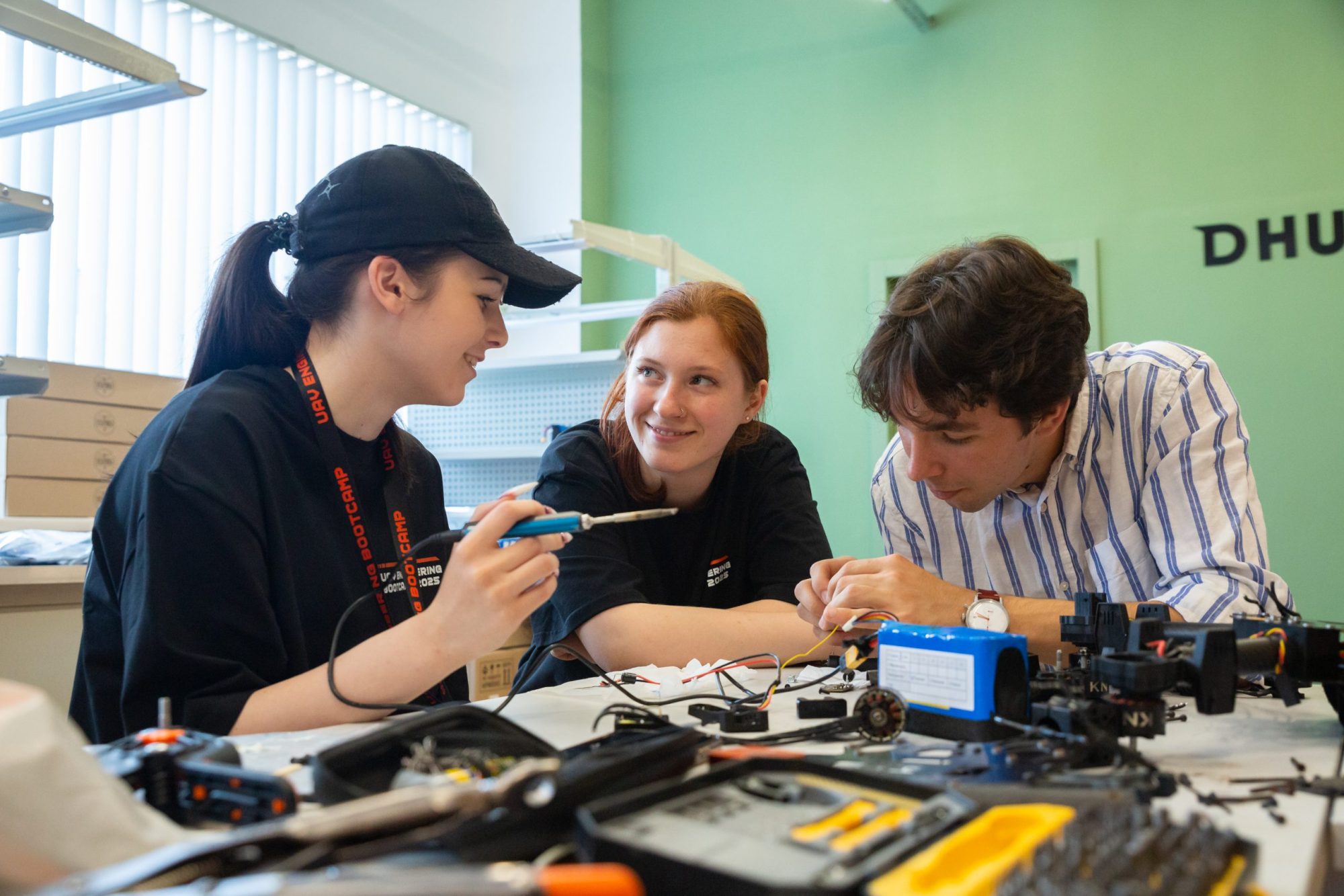
EXAMPLES OF ENGINEERING TASKS
Adjust the stabilisation settings so that the drone does not start to oscillate.
Explain why it starts to ‘wobble’ under certain settings.Collect data from the IMU and GPS, compare them, and understand why they do not match.
Make the position estimate more stable.Select a propeller-motor assembly to suit the specified weight.
Test the thrust on a test bench and estimate the flight time.Identify the cause of system instability following integration.
Distinguish between hardware issues and algorithmic issues.
The role of teachers/mentors in the summer school programme is to demonstrate a way of thinking and help co-create solutions, rather than simply ‘going through the material’.
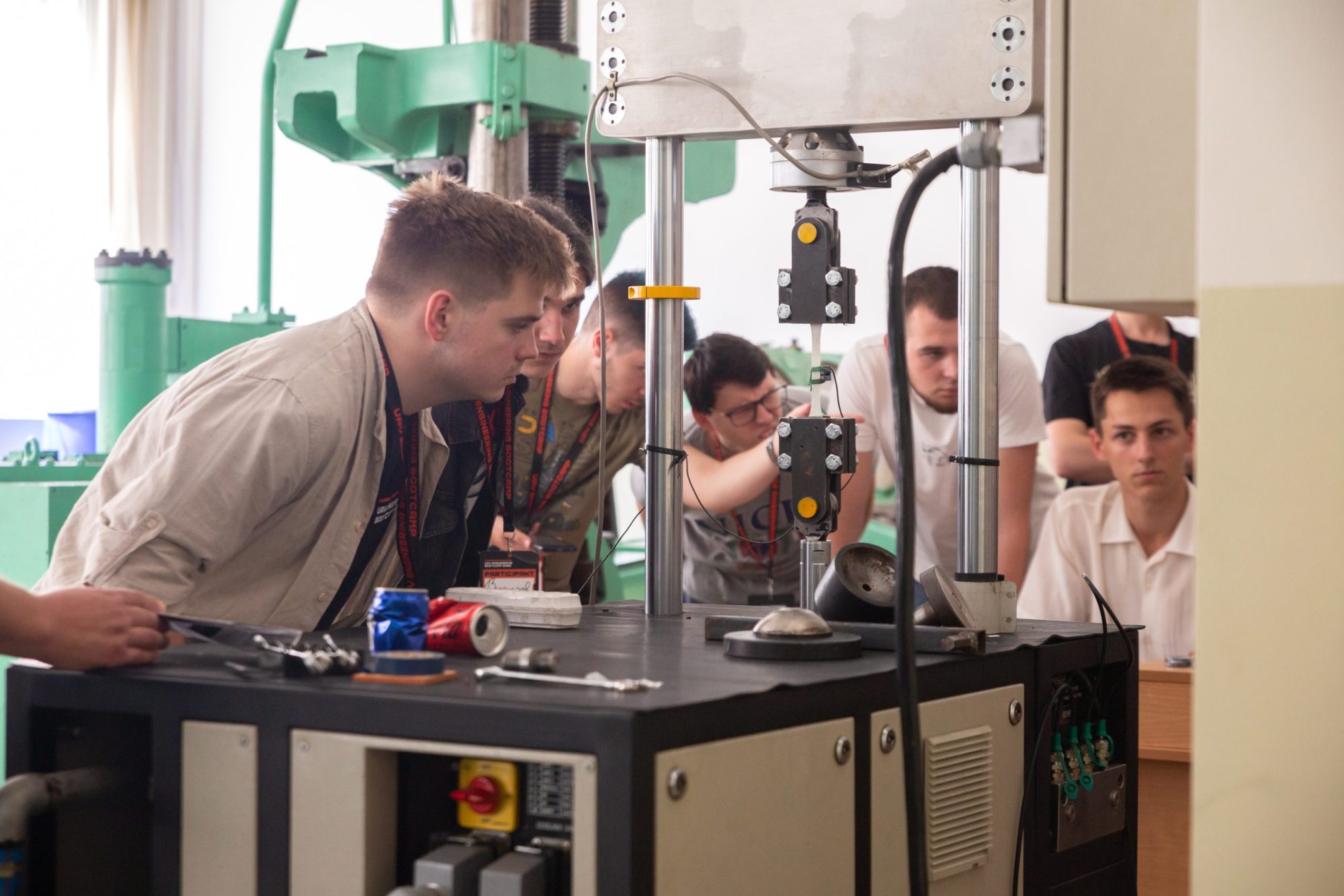
PROGRAME TRACKS
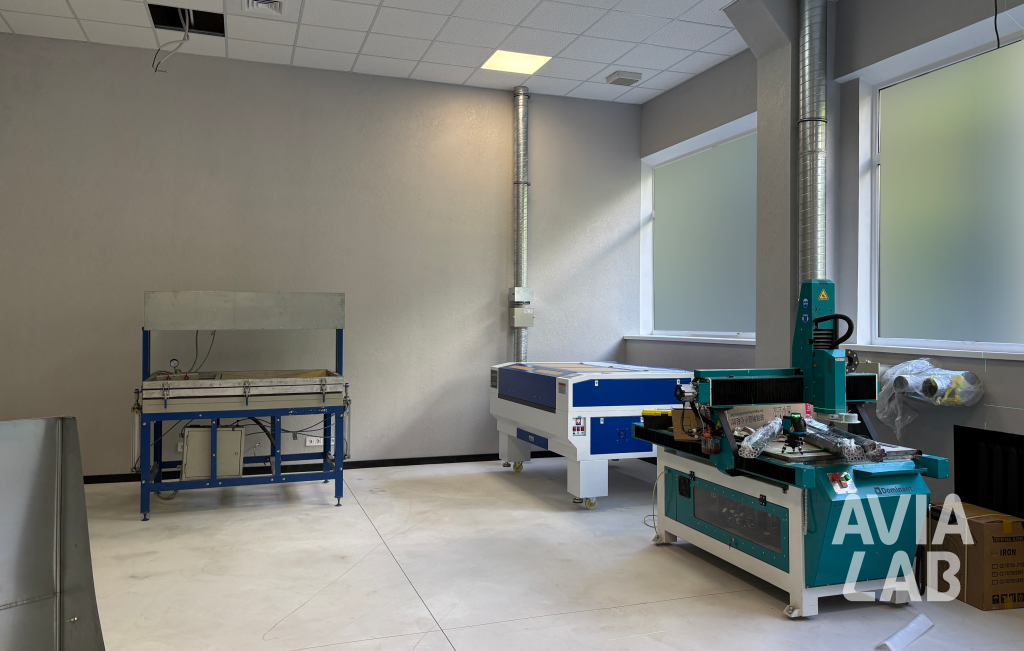
Design and Manufacturing (Airframe / Manufacturing)
CAD, aerodynamics, structural integrity, composites, sandwich panels, vibrations, balancing, manufacturing (laser, CNC)Propulsion / Power
Motor-propeller groups, propellers, thrust, thrust-to-weight ratio, ESCs, batteries (LiPo), power consumption, onboard power supply, thrust stand, efficiency, thermal management, flight timeAvionics & Flight Control Systems
ArduPilot, PX4, Betaflight, Mission Planner, QGroundControl, PID tuning, telemetry, IMU, sensor calibration, stabilization, oscillations, Blackbox, logging, flight dynamics modeling- State Estimation & Navigation
GPS, IMU, Kalman filter, sensor fusion, error, drift, position estimation, localization, waypoints, missions, fail-safe logic, Return-to-Launch (RTL)
- Communications
– MAVLink, telemetry, UART, I2C, SPI, ExpressLRS (ELRS), RF links, RF hardware setup, link parameters, latency, packet loss, RSSI, noise immunity
– Radio wave propagation, radiation patterns, gain, antenna types (omnidirectional, directional, log-periodic), ground and onboard antennas
– SWR (Standing Wave Ratio), VNA, Fresnel zones, RF field measurements, signal penetration through obstacles, environmental impact
– Mesh networks, relaying, network topologies, communication coverage and scalability Integration / Testing
flight testing, telemetry, logging, fault analysis, system integration
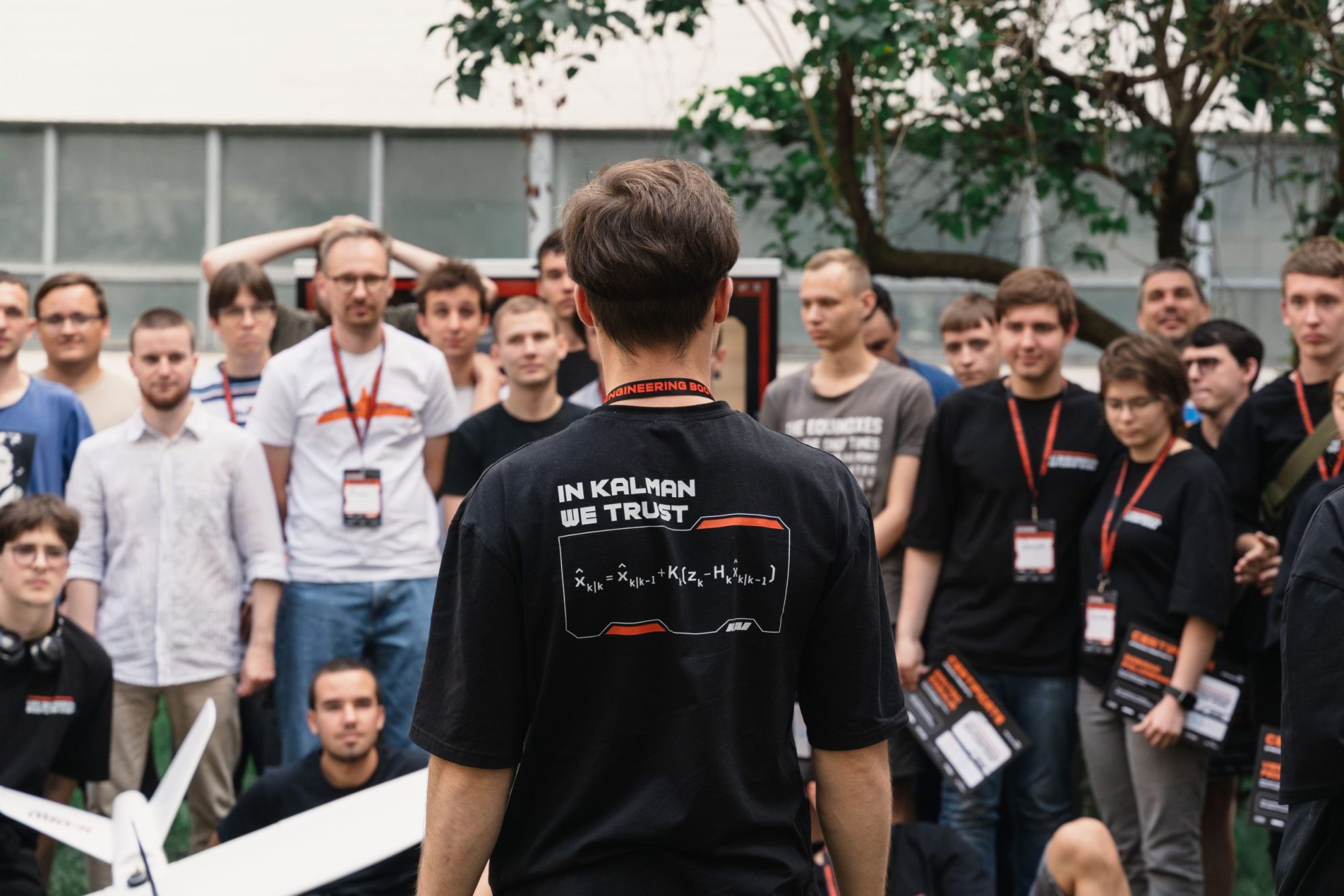
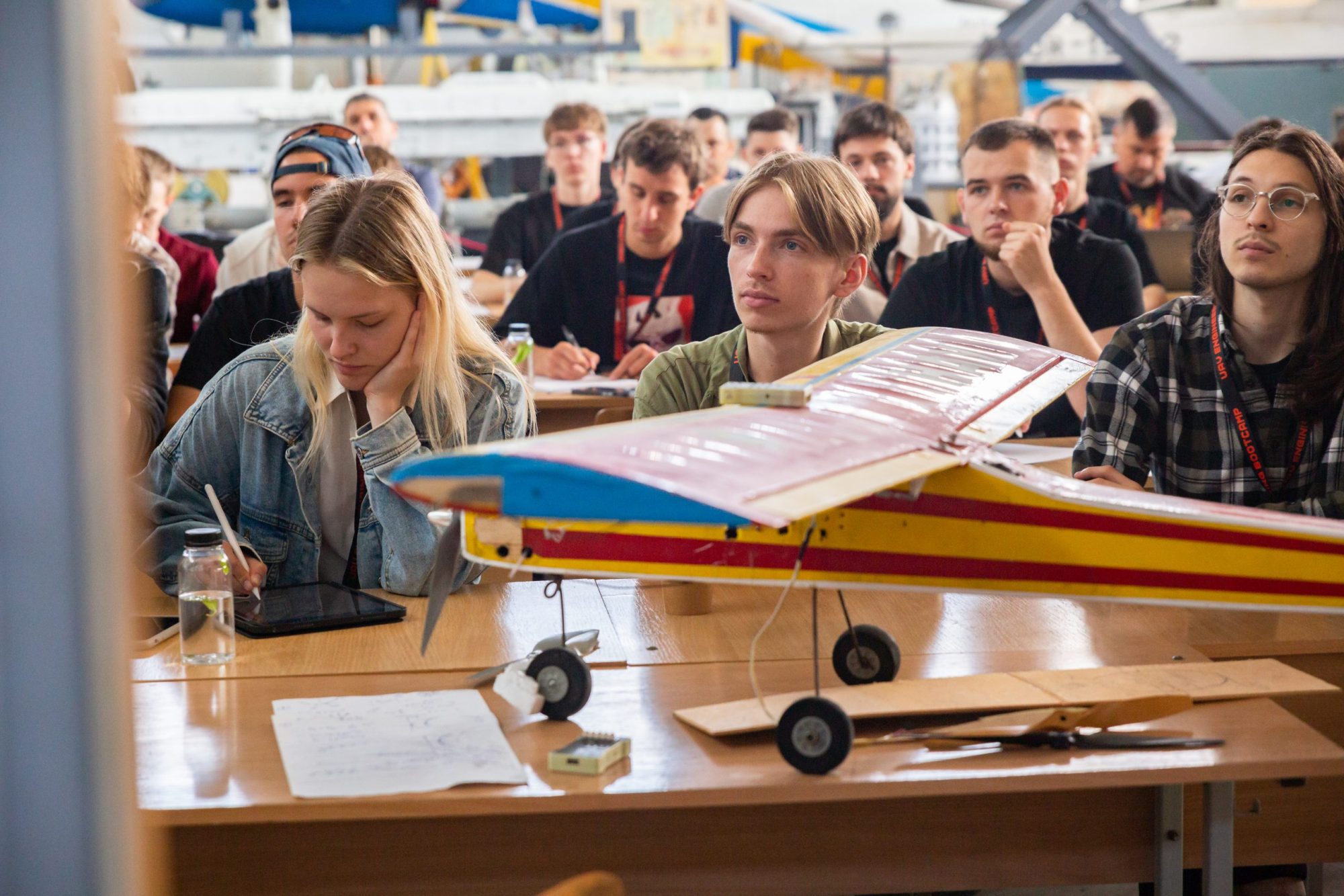
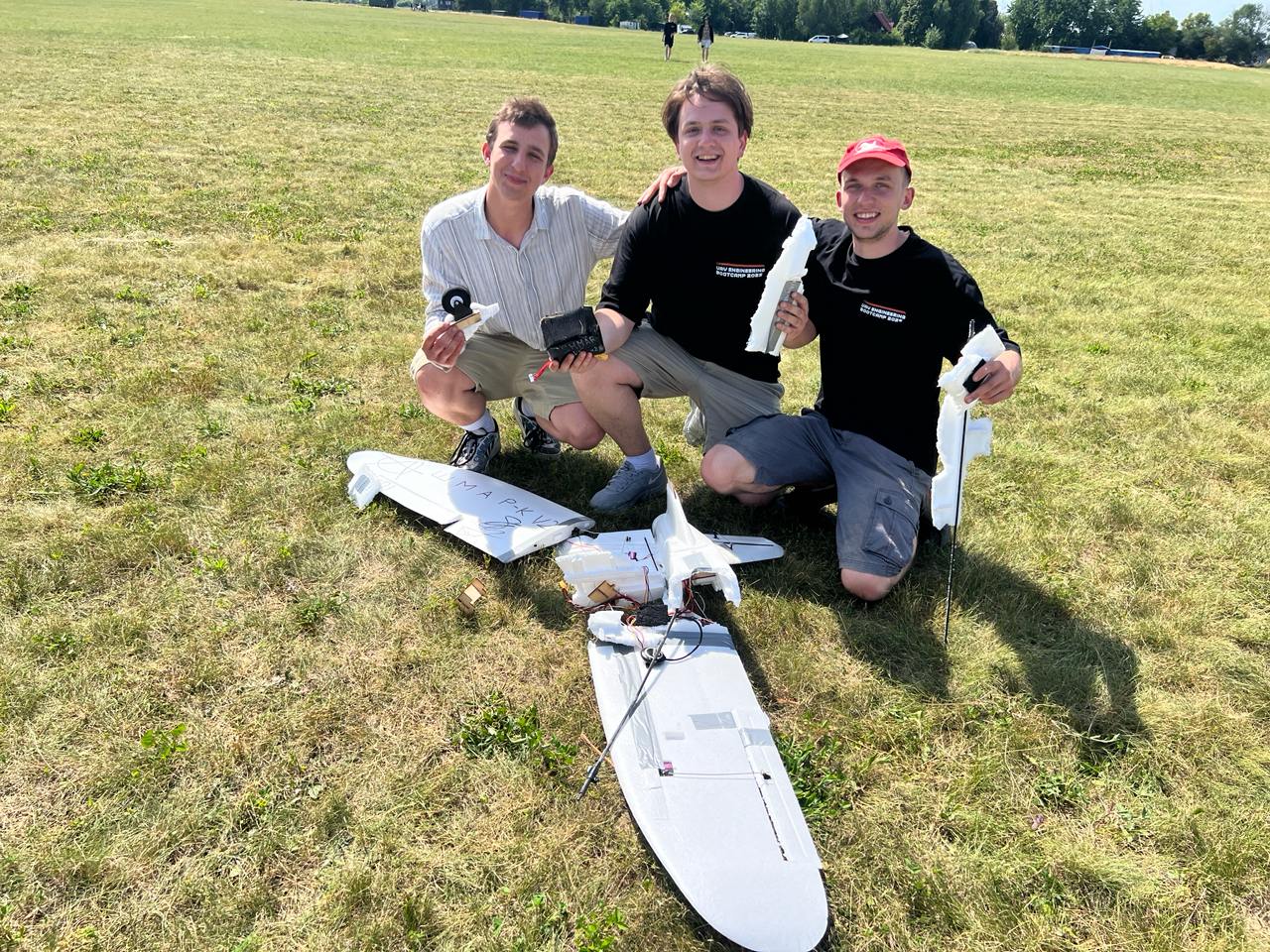
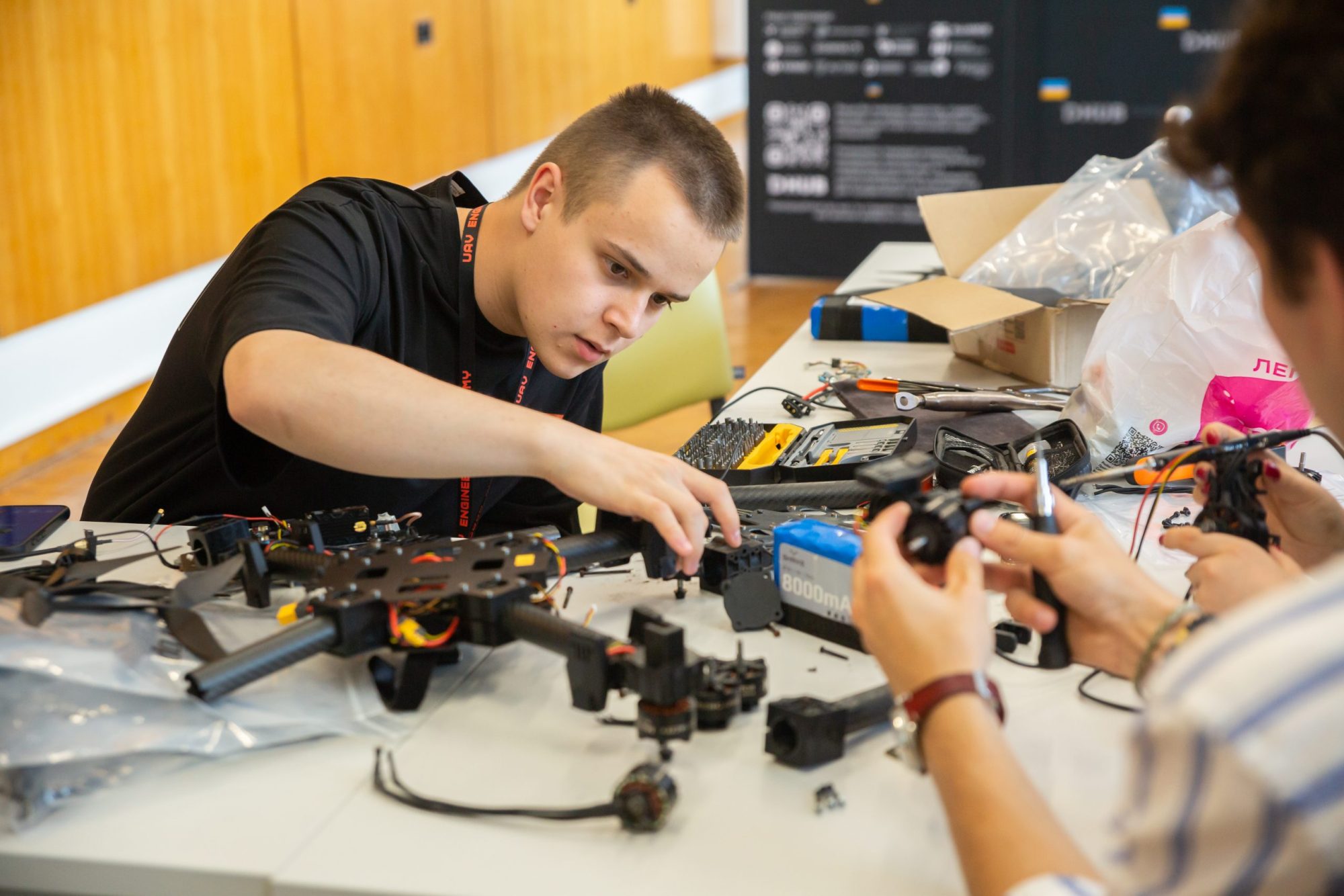
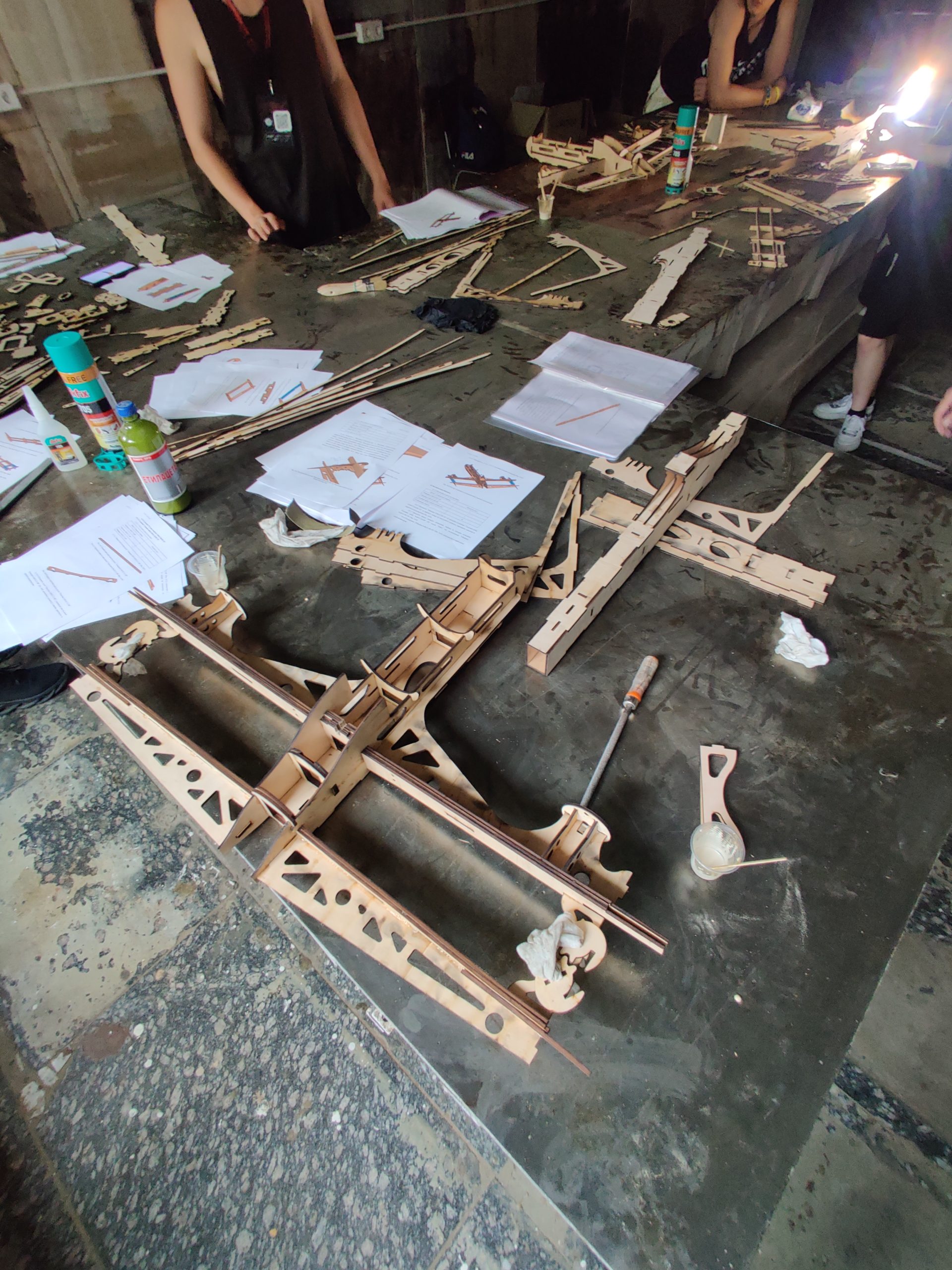
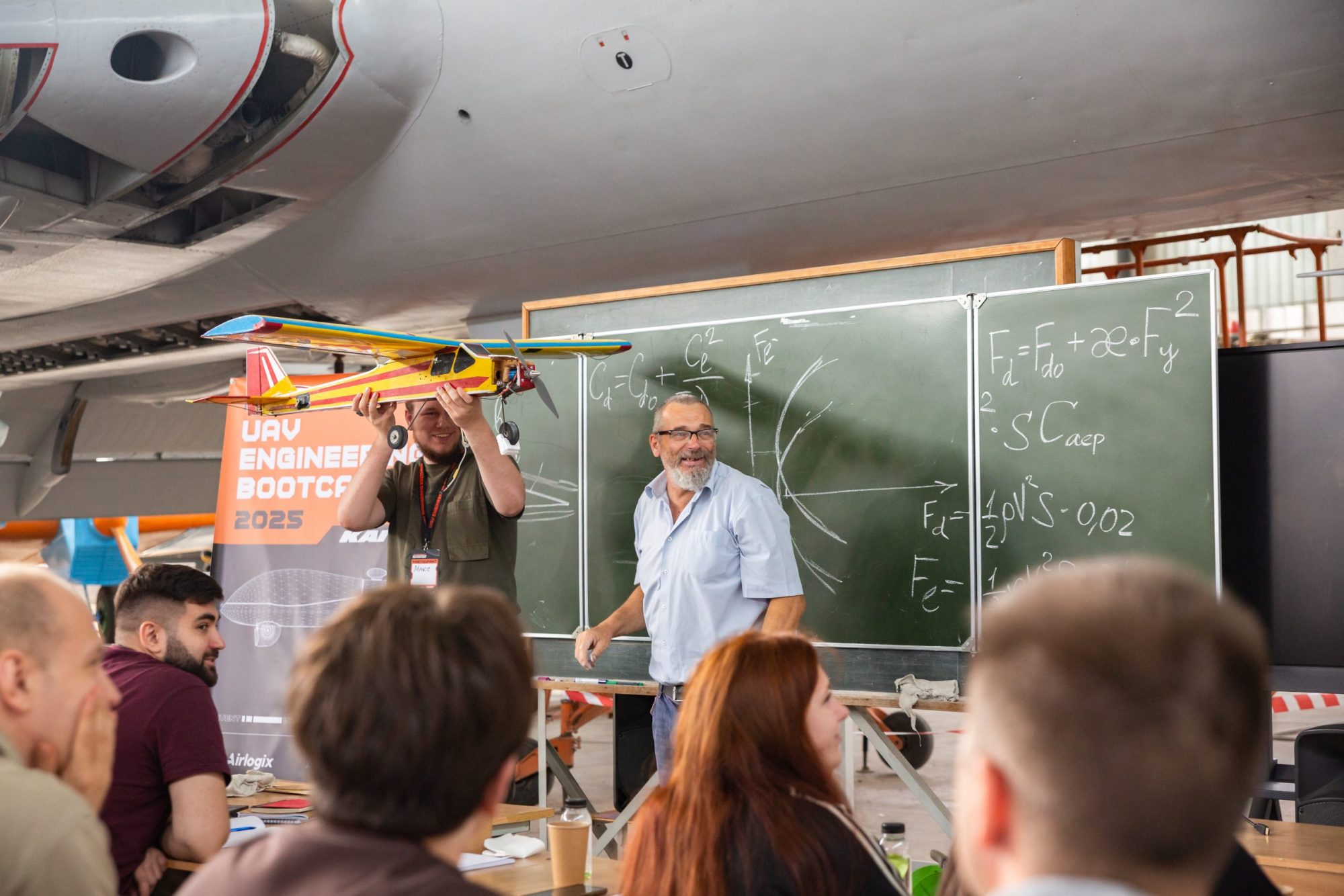
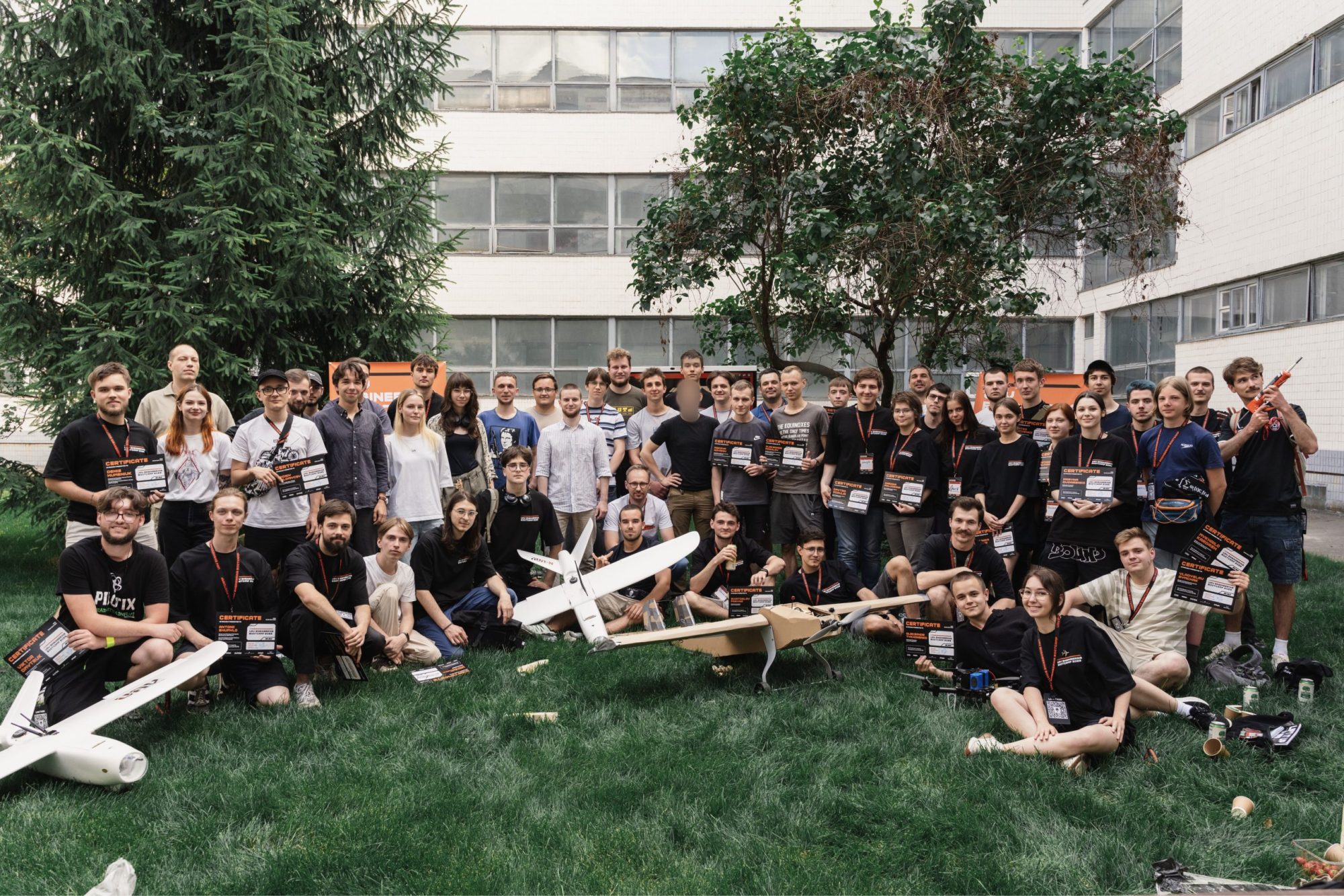
THIS IS WHAT THE BOOTCAMP LOOKS LIKE FROM THE INSIDE:
WHO IS IT FOR?
– We invite Bachelor’s and Master’s students from Danish technical universities as participants
– We invite PhDs and professors from Danish technical universities as mentors and teachers
In addition to student participation, we invite professors to join the Bootcamp in person and contribute by delivering lectures within the existing tracks or proposing their own topics aligned with the programme.
The Bootcamp also creates space for networking and exchange with Ukrainian researchers, industry partners, and students, with potential for future academic collaboration and partnerships.
This is NOT a beginner’s course on unmanned aerial vehicles and systems.
If you’re looking to do more than just ‘assemble and fly a drone’, but really want to understand why it flies (or doesn’t fly) — apply now.
STAGES OF APPLICATION AND THE SELECTION PROCESS FOR NON-UKRAINIAN PARTICIPANTS
- Complete Registration Form I. By 5 May
- Take the entrance test, which will be sent to your email. By 10 May
- If the previous stages are successful, we will send you an extended Registration Form II for participation in the summer school, including this year’s detailed programme. By 20 May
- Apply for tuition fee compenstation. By 15 May
- Online component (3 hours per week). 8–26 June.
In-person component (9 days from 9:00 to 18:00). 29 June–7 July
PRICE AND TERMS
🇺🇦 🇩🇰 In 2026, the Bootcamp expands beyond Ukraine, offering a special invitation exclusively for students and PhD from Danish technical universities.
Stage 1 (registration and entrance assessment): free of charge
Stage 2 (online and in-person in June and July): €80
The price includes: the course programme, two meals a day for 9 days, consumables for laboratory work. Travel and accommodation to Kyiv are at the participants’ own expense.
Not included:
- Travel to/from Kyiv (your expense, ~€170–360)
- Accommodation (~€20–60/night)
- Travel & health insurance (your responsibility)
FULL REFUND if you withdraw after receiving the detailed programme (by May 20) or if KAI cancels due to security reasons.
⚠️ Insurance: You must obtain travel/health insurance that explicitly covers Ukraine (many standard European policies exclude conflict zones). We will send guidance after pre-registration.
TRAVEL AND ACCOMMODATION SUPPORT
Travel is organised as a group. The Danish cohort travels together — we help you purchase tickets, coordinate the itinerary, and accompany you from the Ukrainian border to Kyiv (and back). This makes the journey much easier for first-time visitors.
Outline route:
- 25 June — Flight Denmark → Poland (because Ukraine’s airspace is closed to civilian flights)
- 26–27 June — Overnight train Poland → Kyiv (or a bus)
- 28 June — Free day in Kyiv, group pre-party
- 29 June – 7 July — Bootcamp on-site
- 8 July evening or 9 July daytime — Return
ESTIMATED COST (round-trip, per person): €170–360 depending on booking date.
Final dates and prices by MAY 30. Ticket purchases coordinated by us.
Accommodation is at participants’ own expense (~€20–60/night). We provide a curated list of options near KAI, all within walking distance of a bomb shelter.
Travel costs are borne by participants.
PARTNERS






MORE MEMORIES FROM 2025
FAQ
Is it safe to come to Kyiv?
Ukraine is in a full-scale war. We won’t pretend otherwise. At the same time:
- Kyiv is ~800 km from the front line
- The city functions normally — metro, restaurants, universities, businesses operate daily
- Air raid alerts occur and we have clear protocols for them
- All venues used during the bootcamp have designated bomb shelters, and all recommended accommodation is within walking distance of a shelter
- You will receive a safety briefing on day 1 and a 24/7 English-speaking emergency contact
International participants have been coming to Kyiv throughout the war — journalists, NGO workers, academics, engineers. The city has developed robust routines.
What happens during an air raid alert?
When the alert sounds (you’ll receive it via the Air Alert mobile app — available in English), ongoing programme activities pause and everyone moves to the nearest shelter. Sessions resume after the all-clear signal. Most alerts last 30–90 minutes. We design the schedule with buffer time for this. It’s a well-practised routine — Ukrainians have been living with this system for over four years.
Do I need insurance?
Yes — this is mandatory. You must obtain travel and health insurance that covers your stay in Ukraine.
⚠️ Many standard European travel insurance policies contain a war exclusion clause — they will NOT cover incidents in Ukraine. You must verify with your provider that your policy explicitly covers travel to a country with active armed conflict.
Contact your university’s international office or your insurance company directly. Proof of valid insurance may be requested before the bootcamp.
Do I need a visa?
No — EU/EEA citizens (including Danish nationals) can enter Ukraine visa-free for stays up to 90 days within a 180-day period. You need:
- A valid passport (valid for at least 3 months beyond your departure from Ukraine)
- No additional registration for stays under 90 days
Border check happens on the train (30 min to 2 hours). By bus, border control may take from 1 to 4 hours, and up to 6 hours during periods of high demand. We’ll provide a printed invitation letter to carry with you.
What language will the bootcamp be in?
The primary language is Ukrainian. We are currently arranging which sessions will be held in English for international participants. By May 20, you will receive the detailed schedule showing exactly which sessions are in English.
Full FAQ in PDF is here
DO YOU HAVE QUESTIONS ABOUT PARTICIPATION OR PARTNERSHIPS?
Bootcamp coordinator – Artem Tselikov
WhatsApp/Signal: +380 97 868 96 02
Share